
written by Josie Hammond and Liv Adao
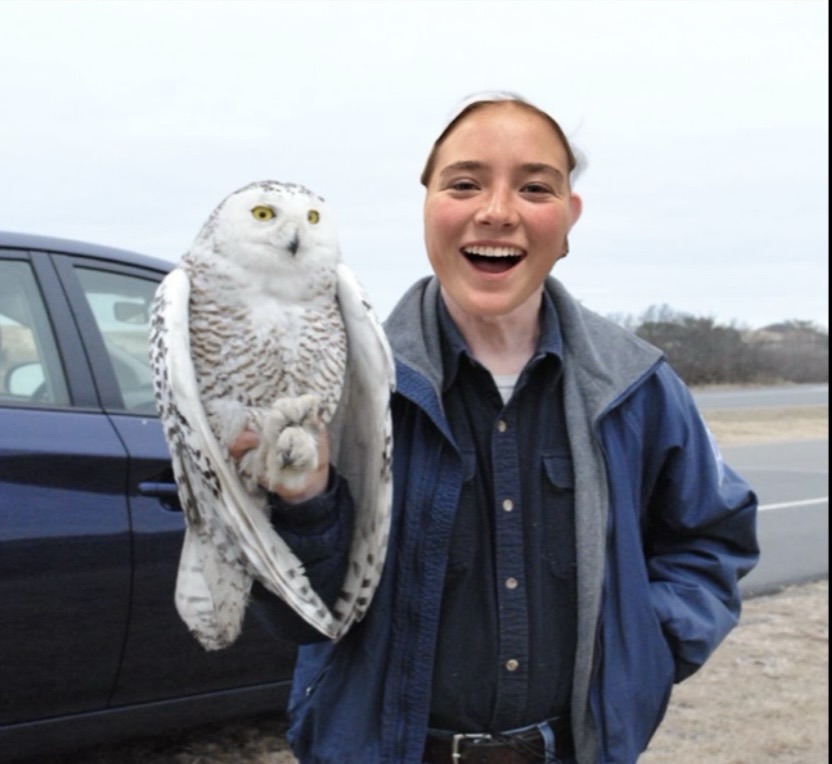
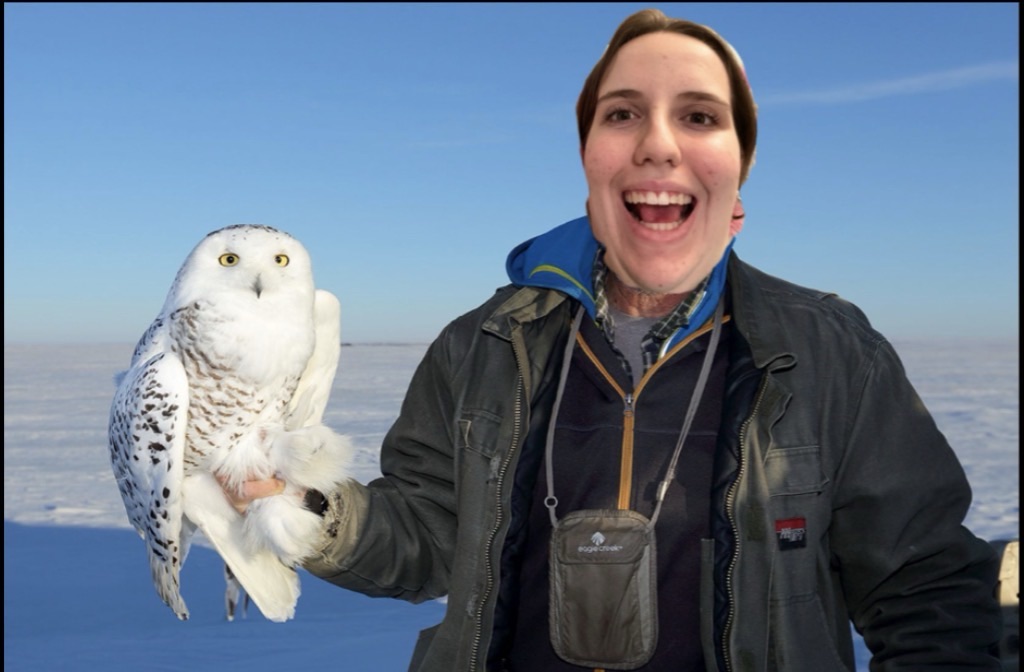
Helllooooo Tree Huggers! And welcome to another beautiful Mary Oliver Monday–winter edition! Now, technically, Winter won’t start until December 21st, but we don’t believe in that–we can see our breath outside, so it’s winter!! In light of this new chill that is settling over our home state, today we want to dedicate this post to the aptly named Snowy Owl. Look at her, isn’t she gorgeous folks?

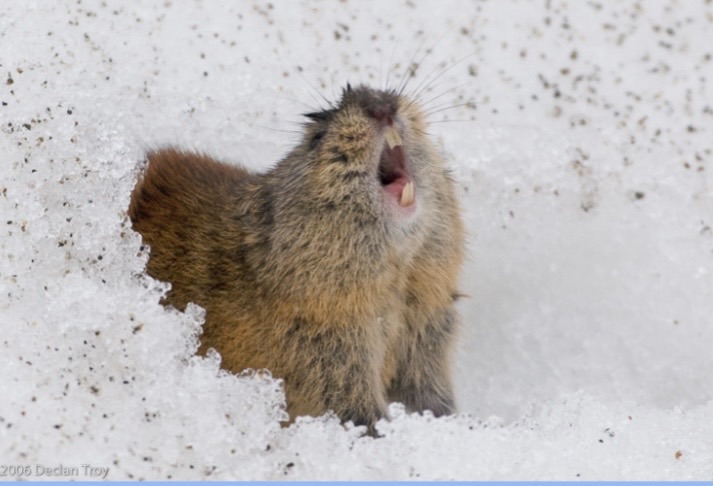
Snowy Owls largely reside in the Arctic during the breeding season in summer. Because of the long days in that part of the world during summer, Snowy Owls have actually adapted to be diurnal–meaning that they hunt both during the day and during the night, unlike most owls. During breeding season, they’re mainly hunting lemmings, which are a small rodent abundant in the Arctic. They are also, unfortunately, really cute.
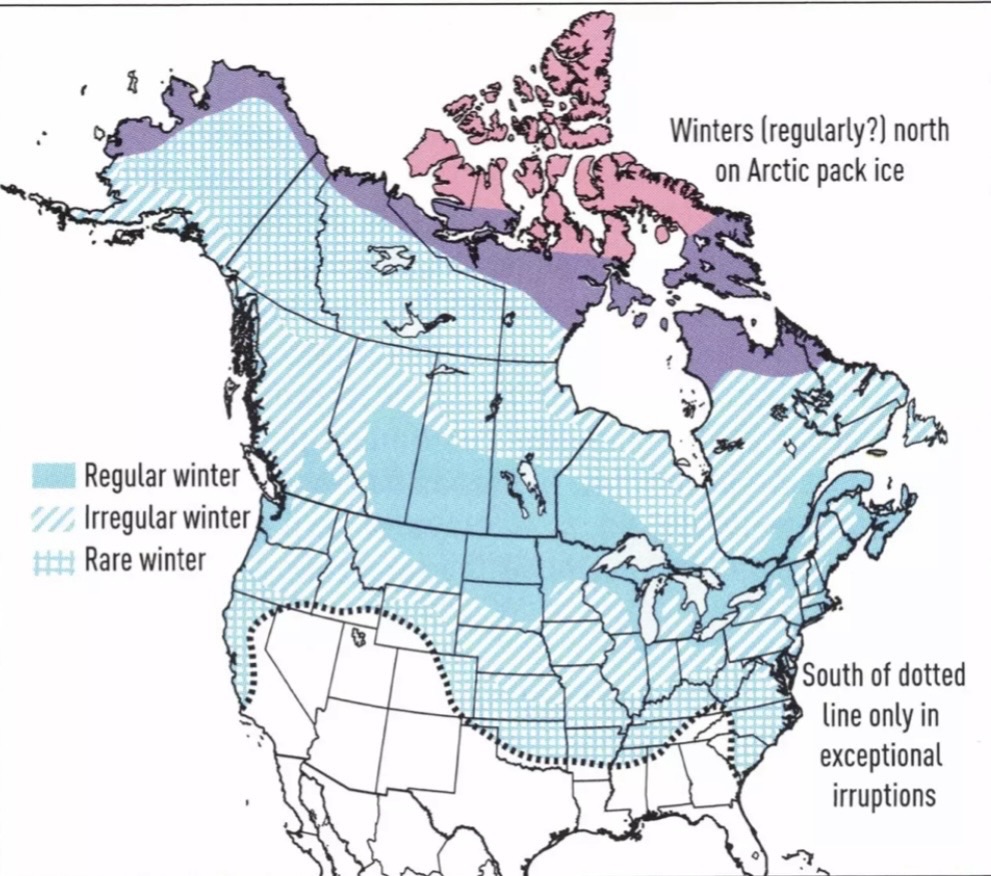
Snowy Owls don’t enjoy a consistent migratory pattern, as each winter can bring a different number of birds migrating to a wide variety of states. “Irruptions” are winters where a larger-than-average number of Snowy Owls migrate further south than normal, likely due to a large previous breeding season. Irruptions are normally when the birds are seen in Tennessee, but they can go as far as Cuba and Hawaii!
Now, it isn’t all snowflakes and rainbows for the Snowy Owl–although we all wish it would be. Global warming is, of course, an issue that it must contend with. The largest impacts seen so far are the obvious degradation of their tundra habitat and increased difficulty hunting. Firstly, the permafrost in the Arctic is paramount to the Snowy Owl’s ability to breed and live there during the summer, and increased temperature only puts this layer of ice and snow at risk, resulting in the Arctic environment being one of simple soil and silt. Secondly, increased temperature puts the lemmings (the Snowy Owl’s largest and most consistent food source during breeding periods) at risk and greatly decreases their population, since they are an Arctic species and are adapted to a cold environment.
Now, all this owl talk, what can YOU do?
Well, firstly, since it is the season of giving, you can donate to organizations that actively work on protecting Snowy Owls (and any owls for that matter) and their habitats. Here is one specific organization that you could consider helping out: https://www.projectsnowstorm.org/story/
For those who are not in a position to donate or simply want to help out in other ways, you can simply reduce your carbon footprint. Since climate change is a major threat to Snowy Owls, it is beneficial if you take steps to reduce your carbon footprint to help mitigate these impacts. Additionally, you can always advocate for conservation polices and help educate others. Now that you are a semi-expert on Snowy Owls, feel free to strike up a conversation with a classmate or peer and share the wonderful story of these creatures.
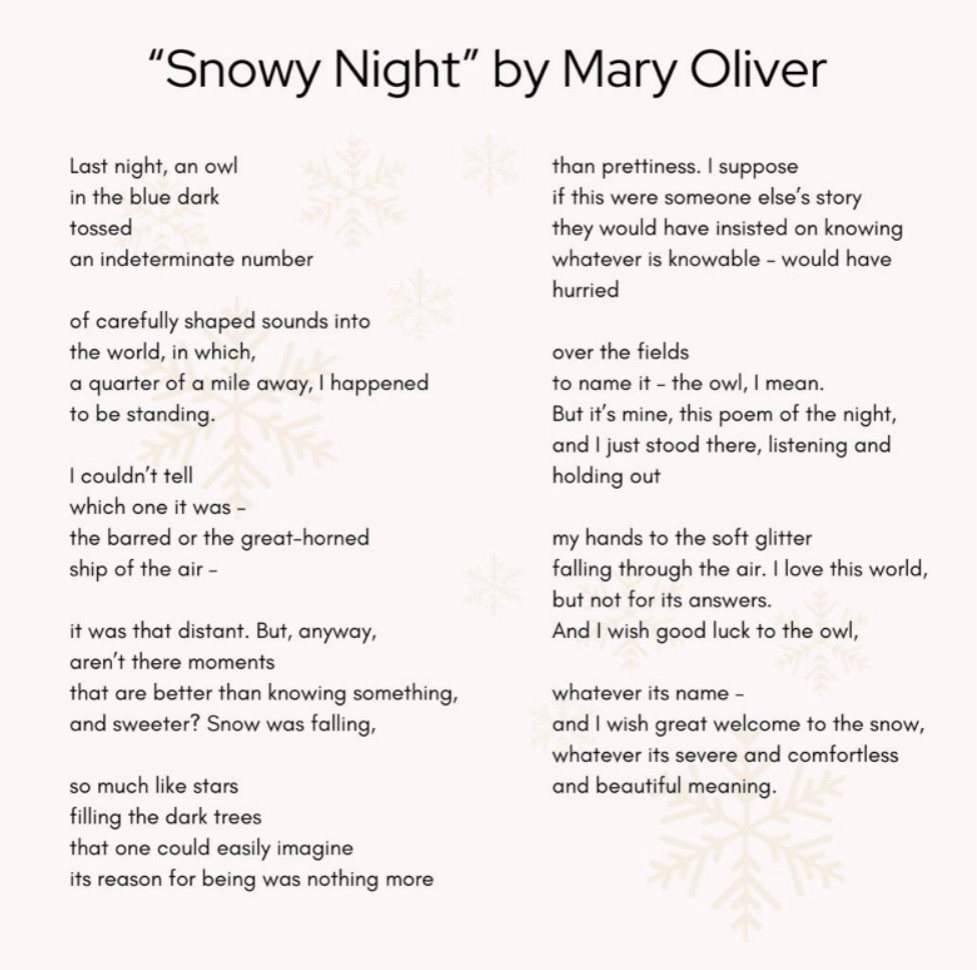
I think we have all experienced a similar astonishing moment with an owl as Mary Oliver had. They are elusive and beautiful creatures that release even more beautiful sounds. I mean, truly, what is better than hearing an owl hoot outside your window, or catching a glance of one high up in a tree during a hike? Today, we gave you many answers on the Snowy Owl, but as Mary said, we love this world not for its answers, but for its beautiful meaning. So, remember to always appreciate the wonders of nature, like a beautiful Snowy Owl perched on a fence, and maybe even wish it good luck! Maybe, one day you’ll be lucky enough to meet a Snowy Owl just like us. . .
 Speak for the Trees
One response to “Hoot Hoot Says the Snowy Owl”
Hello and happy snow day! We just got our first bit of snow today, and I think it’s because you guys posted so thank you. Snowy owls are so cool, and I learned so much from reading this. I didn’t know their migration patterns were so inconsistent and definitely didn’t know they sometimes make it all the way to Hawaii. Hearing the hoot of an owl brings me back to the nostalgic summer afternoons where the sun starts to wane at my grandma’s house and all of the cousins are out in the yard sweaty after a game of kickball. It reminds me of the childlike wonder that Mary Oliver conveys in so many of her poems, and it reminds me of the sometimes invisible beauty that we are constantly surrounded by. I have only ever seen an owl once in the wild – it was in the middle of Patagonia, and I almost missed it: a pygmy owl, perched in the middle of a tree, hooting at us for stepping on its home turf. It honestly amazed me how such a small creature could be so territorial and violent to its prey. Owls have always held kind of a majestic aura to me, and seeing it felt like a good omen, and definitely something I will never forget. I hope everyone can share a special moment like that with any sort of wildlife, especially an owl. Happy Mary Oliver Monday (even though it’s a tuesday now)!
LikeLike